

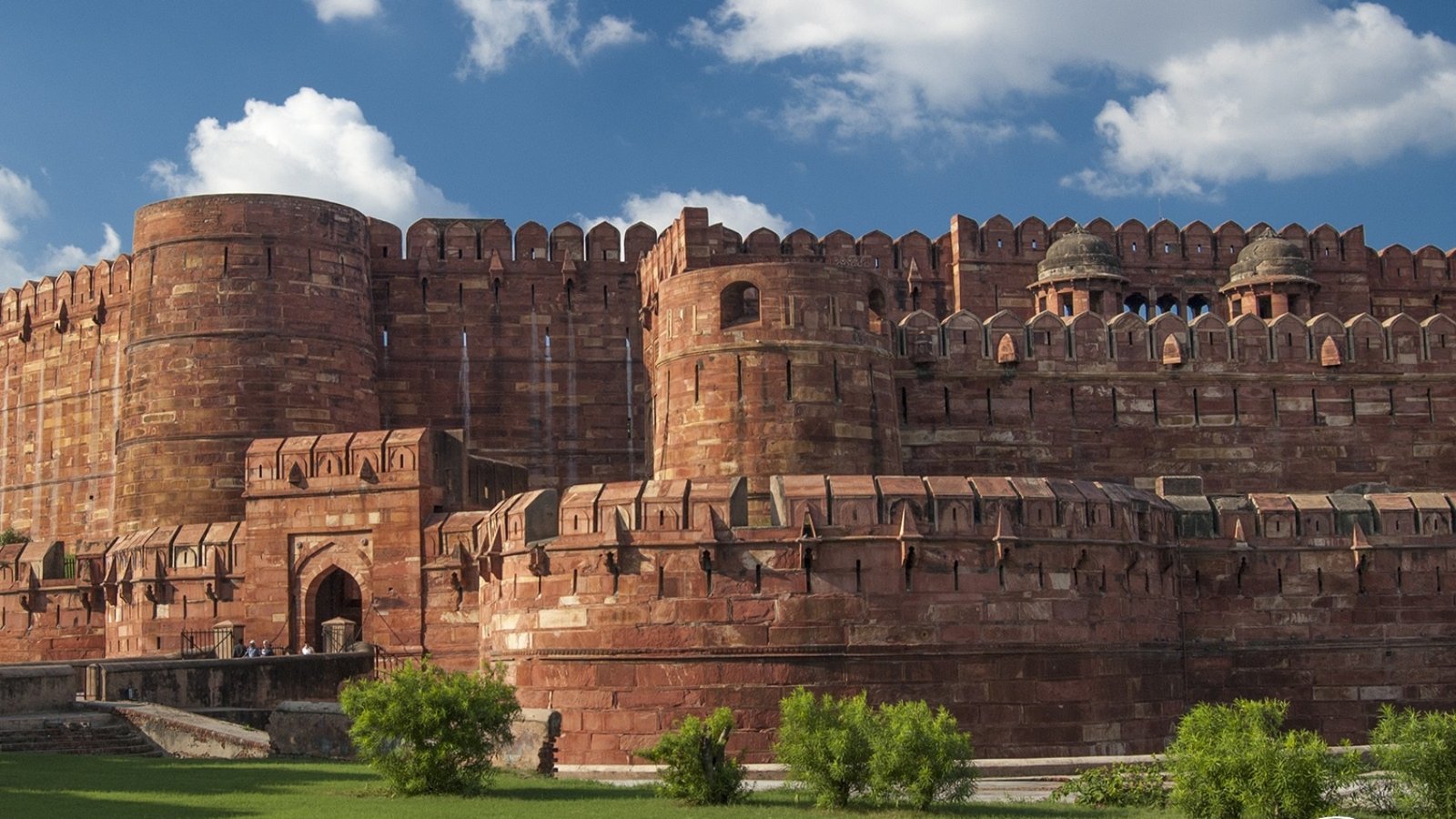
Agra Fort

Agra Fort: A Timeless Symbol of Power and Architecture: A Timeless Symbol of Power and Architecture


plan agra trip

Planning Your India Trip: A Complete Guide

India is a land of contrasts—ancient temples alongside modern cities, bustling bazaars next to serene landscapes, and diverse cultures woven together into one vibrant tapestry. Planning a trip to India can feel overwhelming because of its sheer size and variety, but with the right approach, you can craft an unforgettable journey. Here’s a comprehensive guide to help you plan your India trip.


Best Time to Visit

  • October to March: Pleasant weather, ideal for sightseeing in North India (Delhi, Agra, Rajasthan).
  • April to June: Hot in most regions, but perfect for hill stations like Shimla, Manali, and Darjeeling.
  • July to September: Monsoon season—lush greenery in Kerala and Goa, though heavy rains can disrupt travel.

Must-Visit Destinations

India offers a wide range of experiences. Here are some highlights:

  • Golden Triangle (Delhi, Agra, Jaipur): Perfect for first-time visitors. Explore Mughal monuments, forts, palaces, and vibrant bazaars.
  • Kerala: Known as “God’s Own Country,” famous for backwaters, Ayurveda, and lush landscapes.
  • Goa: Beaches, nightlife, Portuguese heritage, and seafood.
  • Rajasthan: Desert landscapes, royal palaces, camel rides, and colorful festivals.
  • Himalayas: Trekking, yoga retreats, and spiritual experiences in Rishikesh, Leh, and Dharamshala.

Travel Essentials

  • Visa: Most travelers need an e-visa, easily available online.
  • Transport: Domestic flights, trains, and buses connect major cities. For local travel, auto-rickshaws and taxis are common.
  • Currency: Indian Rupee (INR). Carry cash for small purchases, though digital payments are widely accepted.
  • Language: Hindi is widely spoken, but English is common in tourist areas.

Food & Cuisine

India’s culinary diversity is unmatched.

  • North India: Butter chicken, naan, kebabs, and rich Mughlai dishes.
  • South India: Dosas, idlis, sambhar, and coconut-based curries.
  • Street Food: Chaat in Delhi, vada pav in Mumbai, and puchkas in Kolkata.
  • Sweets: Gulab jamun, rasgulla, jalebi, and Agra’s famous petha.

Packing Tips

  • Light cotton clothes for summer, warm layers for winter.
  • Comfortable walking shoes.
  • Sunscreen, insect repellent, and reusable water bottles.
  • Modest attire for temples and religious sites.

Safety & Etiquette

  • Respect local customs—remove shoes before entering temples.
  • Bargain politely in markets.
  • Use bottled or filtered water.
  • Be cautious with street food if you’re not used to spicy flavors.

Suggested Itinerary (10 Days)

  • Day 1–3: Delhi (Red Fort, Qutub Minar, Chandni Chowk).
  • Day 4–5: Agra (Taj Mahal, Agra Fort, Fatehpur Sikri).
  • Day 6–8: Jaipur (Amber Fort, City Palace, Hawa Mahal).
  • Day 9–10: Varanasi (Ganga Aarti, boat ride on the river).

Final Thoughts

India is not a country you can fully experience in one trip—it’s a journey that invites you back again and again. Whether you’re drawn to its history, spirituality, cuisine, or natural beauty, India offers endless discoveries. Plan wisely, embrace the diversity, and let the magic of India unfold.


taj mahal guide

Taj Mahal Travel Guide: Everything You Need to Know

The Taj Mahal is more than just a monument—it’s a symbol of eternal love, a masterpiece of Mughal architecture, and one of the most visited landmarks in the world. Located in Agra, India, this UNESCO World Heritage Site attracts millions of visitors every year. If you’re planning a trip, here’s a complete guide to help you make the most of your visit.


A Brief History

Commissioned in 1632 by Emperor Shah Jahan in memory of his beloved wife Mumtaz Mahal, the Taj Mahal took over 20 years to complete. Built with white marble and adorned with intricate carvings, it represents the pinnacle of Mughal artistry. The monument is not just a mausoleum but a symbol of devotion and grandeur.

Best Time to Visit

  • Early Morning: Sunrise offers magical views as the marble changes hues with the light.
  • Evening: Sunset creates a golden glow, perfect for photography.
  • Season: October to March is ideal, with pleasant weather for sightseeing.

Entry Details

  • Tickets: Available online and at the gates. Prices vary for domestic and international visitors.
  • Timings: Open from sunrise to sunset, except Fridays when it’s closed for prayers.
  • Special Night Viewing: On full moon nights, visitors can experience the Taj Mahal under moonlight—a truly enchanting sight.

Gates & Entry Points

  • East Gate: Less crowded, preferred by many tourists.
  • West Gate: Popular but often busy.
  • South Gate: Mostly used by locals, limited timings.

Photography Tips

  • Capture the reflection of the Taj in the Yamuna River or the fountains in the gardens.
  • Experiment with angles from the mosque and guest house flanking the monument.
  • Sunrise and sunset shots are the most iconic.

Nearby Attractions & Experiences

  • Agra Fort: Another UNESCO site, showcasing Mughal power and architecture.
  • Mehtab Bagh: A garden across the Yamuna offering stunning views of the Taj.
  • Local Bazaars: Explore handicrafts, marble inlay work, and souvenirs.
  • Cuisine: Don’t miss Agra’s famous petha and Mughlai delicacies.

Travel Tips

  • Wear comfortable shoes—there’s a lot of walking.
  • Large bags are restricted; carry essentials only.
  • Respect the monument’s sanctity—avoid touching or climbing on structures.
  • Hire a licensed guide for deeper insights into history and architecture.

You Decide

Visiting the Taj Mahal is more than a sightseeing trip—it’s an emotional journey into history, love, and artistry. Whether you’re a history buff, a photographer, or a casual traveler, the Taj Mahal promises an unforgettable experience. Plan wisely, arrive early, and let the beauty of this monument leave you spellbound.


cuisine of agra

Cuisine of Agra: A Flavorful Journey Through Mughal Heritage

Agra, world-renowned for the Taj Mahal, is equally celebrated for its rich culinary traditions. The city’s cuisine is a delightful blend of Mughal flavors, North Indian staples, and street food magic. From royal feasts to roadside snacks, Agra’s food scene offers something for every palate.

Mughlai Cuisine: A Taste of Royalty

Agra’s culinary identity is deeply tied to the Mughal era. The emperors were known for their lavish feasts, and many of their recipes still thrive today.

  • Biryani: Fragrant rice layered with marinated meat, saffron, and spices. Agra’s Mughlai biryani is rich, aromatic, and indulgent.
  • Kebabs: Seekh kebabs, shami kebabs, and boti kebabs are popular, often cooked in clay ovens for smoky perfection.
  • Nihari: A slow-cooked meat stew, traditionally eaten for breakfast, showcasing the depth of Mughal flavors.
  • Korma: Creamy, spiced curries made with yogurt, nuts, and aromatic spices, often paired with naan or paratha.

Sweet Specialties: Agra’s Signature Treats

No discussion of Agra’s cuisine is complete without its sweets.

  • Petha: Agra’s most famous sweet, made from ash gourd (white pumpkin). Available in varieties like kesar (saffron), angoori (grape-sized), and chocolate-coated.
  • Gajak: A winter delicacy made from sesame seeds and jaggery, crunchy and wholesome.
  • Jalebi & Imarti: Deep-fried spirals soaked in sugar syrup, perfect for a sweet tooth.

Street Food Delights: Flavors on the Go

Agra’s bustling streets are lined with vendors serving quick, flavorful bites.

  • Chaat: Tangy, spicy, and crunchy—Agra’s aloo tikki chaat and dahi bhalla are crowd favorites.
  • Bedai & Jalebi: A classic breakfast combo—spicy lentil-stuffed puris (bedai) served with potato curry, followed by hot jalebis.
  • Kachori: Flaky, stuffed pastries filled with spiced lentils or potatoes, often paired with chutneys.

Vegetarian Staples: Comfort Food of Agra

While Mughlai cuisine dominates, Agra also offers hearty vegetarian dishes.

  • Dal Makhani: Creamy black lentils simmered overnight with butter and spices.
  • Paneer Butter Masala: Cottage cheese cubes in a rich tomato-based gravy.
  • Seasonal Sabzis: Fresh vegetables cooked with local spices, served with roti or rice.

Drinks & Refreshments

Agra’s food culture is complemented by refreshing beverages.

  • Lassi: Sweet or salted yogurt drink, cooling and filling.
  • Masala Chai: Spiced tea, a staple across North India.
  • Shikanji: A tangy lemonade with spices, perfect for hot afternoons.

conclusion

Agra’s cuisine is a reflection of its history—royal Mughal kitchens, bustling bazaars, and homely vegetarian meals all coexist to create a diverse food culture. Whether you’re savoring kebabs in a fine-dining restaurant, enjoying petha from a local sweet shop, or relishing bedai-jalebi at a street stall, Agra promises a culinary journey as memorable as its monuments.


hotels in agra

Hotels in Agra: A Blend of Heritage and Hospitality

Agra, the city of the Taj Mahal, is not just a destination—it’s an experience. Every year, millions of travelers from across the globe flock here to witness the timeless beauty of Mughal architecture, immerse themselves in history, and savor the cultural richness of India. But a trip to Agra is incomplete without choosing the right place to stay. Hotels in Agra offer a fascinating mix of luxury, comfort, and heritage, catering to every type of traveler—from backpackers to honeymooners, from business visitors to history enthusiasts.


Luxury Hotels: Where Heritage Meets Elegance

Agra is home to some of India’s finest luxury hotels, many of which provide breathtaking views of the Taj Mahal. These hotels combine world-class amenities with Mughal-inspired architecture, offering guests a royal experience.

  • The Oberoi Amarvilas: Just 600 meters from the Taj Mahal, this hotel is the epitome of luxury. Every room offers a direct view of the monument, and the interiors are inspired by Mughal palaces. Guests enjoy fine dining, spa treatments, and personalized services that make their stay unforgettable.
  • ITC Mughal: Spread across 35 acres of lush gardens, ITC Mughal pays tribute to the grandeur of the Mughal dynasty. With award-winning restaurants, a luxurious spa, and opulent suites, it’s perfect for travelers seeking indulgence.
  • Taj Hotel & Convention Centre: A modern property with rooftop infinity pools overlooking the Taj, this hotel blends contemporary design with traditional hospitality.

Mid-Range Hotels: Comfort Without Compromise

For travelers who want a balance of affordability and comfort, Agra’s mid-range hotels are ideal. They provide cozy rooms, good food, and easy access to the city’s attractions.

  • Crystal Sarovar Premiere: Located near the Taj Mahal, this hotel offers spacious rooms, a rooftop restaurant, and excellent service at reasonable prices.
  • Hotel Clarks Shiraz: A trusted name in Agra, Clarks Shiraz offers a mix of heritage charm and modern amenities. Its central location makes sightseeing convenient.
  • Howard Plaza – The Fern: Known for eco-friendly practices, this hotel provides a comfortable stay with a touch of sustainability.

Budget Hotels & Guesthouses: Affordable Stays for Explorers

Agra also caters to budget-conscious travelers with a wide range of guesthouses, hostels, and budget hotels. These accommodations are simple yet welcoming, often run by local families who provide authentic hospitality.

  • Zostel Agra: A popular choice among backpackers, Zostel offers dormitories and private rooms with a vibrant community vibe.
  • Hotel Sidhartha: Located near the western gate of the Taj Mahal, this hotel is perfect for travelers who want proximity to the monument at a low cost.
  • Friends Guest House: Known for its homely atmosphere, this guesthouse is ideal for those who prefer personal connections over luxury.

Culinary Experiences in Agra Hotels

Hotels in Agra are not just about rooms—they’re about experiences. Many properties offer fine dining restaurants serving Mughlai delicacies, international cuisines, and fusion dishes. From kebabs and biryanis to continental spreads, the culinary journey is as memorable as the sightseeing.


Why Staying in Agra Hotels is Special

What sets Agra apart is the way hotels integrate heritage into hospitality. Whether it’s Mughal-inspired décor, rooftop views of the Taj Mahal, or cultural performances in the evening, hotels here ensure that your stay is more than just accommodation—it’s part of the Agra experience.

Final Thoughts

Agra’s hotels reflect the city’s soul: a blend of history, culture, and modernity. Whether you’re seeking luxury with a view of the Taj, a comfortable mid-range stay, or a budget-friendly guesthouse, Agra has something for everyone. Choosing the right hotel can transform your trip from a simple visit into a truly unforgettable journey.


The Original Name of the Taj Mahal: History, Meaning, and Misconceptions

The Taj Mahal, one of the most iconic monuments in the world, stands as a symbol of eternal love and architectural brilliance. Located in Agra, India, this magnificent white marble structure attracts millions of visitors every year. While most people know it by its globally recognized name, fewer are aware of the discussions and historical nuances surrounding its original name.

It was commissioned in 1632 by the Mughal emperor Shah Jahan in memory of his beloved wife, Mumtaz Mahal, who died during childbirth. The monument took over 20 years to complete and remains a masterpiece of Mughal architecture, blending Persian, Islamic, and Indian design elements.

Was “Taj Mahal” the Original Name?

Contrary to popular curiosity and speculation, It is widely accepted by historians as the original and authentic name of the monument. The name itself is believed to be derived from “Mumtaz Mahal,” which translates to “Crown of the Palace.” Over time, it is thought that the name evolved linguistically into “Taj Mahal,” with “Taj” meaning “crown” in Persian and Arabic.

Some historical records suggest that the monument was referred to in Mughal documents as “Rauza-i-Munawwara,” meaning “Illuminated Tomb.” However, this was more of a descriptive or formal title rather than a commonly used name. It was typical in Mughal times for grand structures to have poetic or ceremonial titles, but these were not necessarily the names used in everyday conversation.

Taj Mahal Myths and Misconceptions

There have been various myths and controversial theories about the original name of the Taj Mahal. One such claim suggests that the monument was originally a Hindu temple called “Tejo Mahalaya.” However, this theory lacks credible historical evidence and is not supported by mainstream historians or archaeological findings.

Extensive research, including Mughal court chronicles such as the Badshahnama, clearly documents the construction of this under Shah Jahan’s orders. These records describe the planning, materials, labor, and purpose of the monument, leaving little room for doubt about its origins.

The Significance of the Name

The name “Taj Mahal” itself holds deep symbolic meaning. “Taj,” meaning crown, reflects the grandeur and supremacy of the structure, while “Mahal,” meaning palace, signifies its royal association. Together, the name can be interpreted as the “Crown Palace” or more poetically, the crowning glory of Mughal architecture.

It is also worth noting that the Taj Mahal is not just a tomb but a complex that includes gardens, a mosque, and guest houses. The symmetry and design represent paradise as described in Islamic tradition, further reinforcing the poetic essence of its name.

Cultural and Historical Importance

Today, this is recognized as a UNESCO World Heritage Site and is often listed among the Seven Wonders of the World. Its name has become synonymous with love, beauty, and artistic excellence. Regardless of debates or alternate theories, the historical consensus strongly supports “Taj Mahal” as its original and enduring name.

Conclusion

While curiosity about the original name of the Taj Mahal continues to spark discussions, historical evidence firmly establishes that “Taj Mahal” is not a later invention but a name rooted in the monument’s origin and purpose. Derived from the name of Mumtaz Mahal and enriched with cultural symbolism, the name perfectly encapsulates the essence of this timeless masterpiece.

Understanding the origins of the Taj Mahal’s name not only deepens our appreciation of the monument but also highlights the importance of relying on credible historical sources. As one of the greatest architectural achievements in human history, the Taj Mahal stands tall—not just in marble, but in meaning.

Follow us On Facebook